
Easy to follow Butter Bread
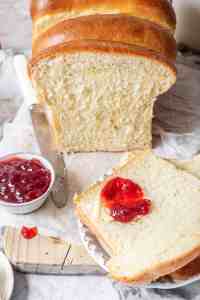
Butter bread is a rich yeast bread, softer and more tender than standard bread. The butter and egg enrich the dough, giving:A fine, soft crumbBetter flavourImproved keeping qualityIn this recipe, the butter is added at the final stage of kneading, allowing proper gluten development first.
Print Recipe
Equipment
- Click on the links for great Amazon kitchen gadget deals.
- 1 Bench or clean work surface
- 1 Oven
Ingredients
- 500 g Bakers flour
- 10 g Salt
- 5 g Malt
- 1 pc Egg
- 5 g Bread improver
- 60 g Butter
- 275 ml Milk approximately
- 40 g Yeast
Instructions
Mix the dry ingredients
- Place the bakers flour, salt, malt, and bread improver into a large bowl.Mix well to combine.
Add liquids
- Add the egg and milk.Add the yeast.Mix until a rough dough forms.
Knead the dough
- Turn onto the bench and knead for 8–10 minutes until the dough is:SmoothElasticSoft but not stickyAt this stage, the dough should feel developed before adding fat.
Add the butter (important step)
- Gradually work the softened butter into the dough during the final stage of kneading.Continue kneading until:Butter is fully absorbedDough is smooth and glossyWhy this matters: Adding butter too early weakens gluten. Adding it late keeps structure.
First rise
- Place dough into a lightly oiled bowl.Cover and leave in a warm place for 45–60 minutes, until doubled in size.
Knock back
- Gently press out the air.
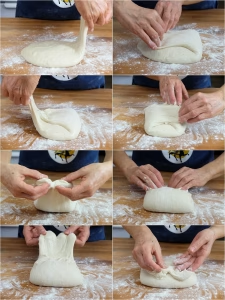
Shape
- Shape into:A loaf, orSmall rollsPlace into a greased tin or onto a lined tray.
Second rise
- Cover and allow to rise for 30–40 minutes, until well risen.
Bake
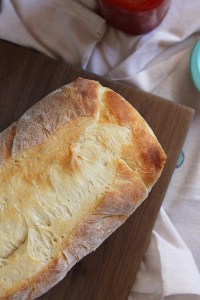
- Preheat oven to 210°C (fan 190°C).Bake for:30–35 minutes (loaf)15–20 minutes (rolls)Bread is ready when:Light golden brownSoft crustHollow sound when tapped underneath
Cool
- Cool on a rack before slicing.Rich breads continue setting as they cool.
Ready to use
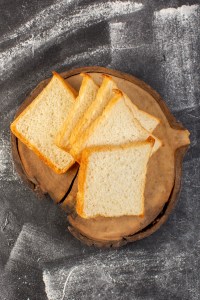
- Butter bread is ideal for:SandwichesToastBreakfast breadSoft rolls
Mark’s bench-side advice
- Greasy dough? Butter added too fast — add gradually next time.Poor rise? Dough too cold or butter too firm.Dense crumb? Under-kneaded before butter was added.Butter bread should feel luxurious but structured.
KOOK’S SECRETS
Nutrition
Calories: 551kcalCarbohydrates: 79gProtein: 34gFat: 14gSaturated Fat: 7gPolyunsaturated Fat: 1gMonounsaturated Fat: 4gTrans Fat: 0.1gCholesterol: 53mgSodium: 1269mgPotassium: 983mgFiber: 11gSugar: 40gVitamin A: 479IUVitamin C: 0.5mgCalcium: 504mgIron: 2mg
Tried this recipe?Let us know how it was!