
Easy to follow French Bread
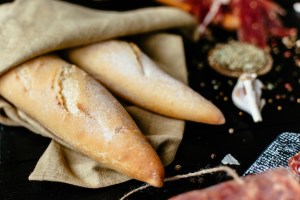
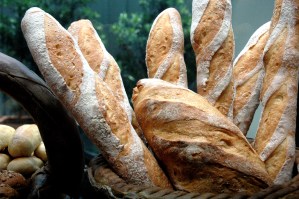
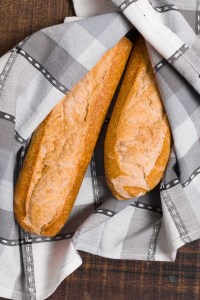
French bread is a lean yeast dough.That means:No fatNo sugarJust flour, water, yeast, and saltThis gives French bread its:Crisp crustOpen, chewy crumbClean wheat flavourIt relies on proper kneading, fermentation, and baking heat, not richness.
Print Recipe
Equipment
- Click on the links for great Kitchen deals with Amazon
- 1 Bench or clean work surface
- 1 baguette tray optional
- 1 Proofing cloth optional
- 1 Oven
Ingredients
- 500 g Bakers Flour
- 10 g Salt
- 290 ml Water Approx.
- 10 g Dried Yeast
Instructions
Mix the dough
- Place flour and salt into a bowl and mix.Add the yeast, then the lukewarm water.Mix until a firm dough forms.
Knead
- Turn onto the bench and knead for 10–12 minutes until the dough is:SmoothElasticFirm but pliableTest: Stretch a small piece — it should stretch without tearing.
First rise
- Place dough into a lightly floured bowl.Cover and leave in a warm place for 60–75 minutes, until doubled in size.
Knock back
- Gently press out the air.This strengthens structure and improves crumb.
Shape
- Shape into:Long loaf (French stick style), orOval loafPlace seam-side down on a lined tray.
Second rise
- Cover lightly and rest for 30–40 minutes.The dough should:Rise visiblyStill feel slightly firm to the touch
Slash
- Just before baking, cut diagonal slashes across the top using a sharp knife.This controls expansion and creates the classic French look.
Bake
- Preheat oven to 230°C (fan 210°C).Bake for 25–30 minutes until:Deep golden brownCrisp crustHollow when tapped underneathOptional steam: Place a small tray of hot water in the oven for the first 5 minutes to improve crust.
Cool
- Cool on a rack before slicing.
Ready to use
- French bread is ideal for:Table breadBruschettaGarlic breadSandwiches
Mark’s bench-side advice
- Soft crust? Oven not hot enough.Dense crumb? Dough too stiff or under-proofed.Flat loaf? Over-proofed — shorten second rise.French bread is simple — and honest. There’s nowhere to hide, which is why technique matters.
KOOK’S SECRETS

Nutrition
Calories: 62kcalCarbohydrates: 4gProtein: 10gFat: 1gSaturated Fat: 0.2gPolyunsaturated Fat: 0.1gMonounsaturated Fat: 0.5gCholesterol: 15mgSodium: 708mgPotassium: 242mgFiber: 3gVitamin A: 14IUVitamin C: 0.4mgCalcium: 19mgIron: 0.5mg
Tried this recipe?Let us know how it was!