
Jubilee Bread
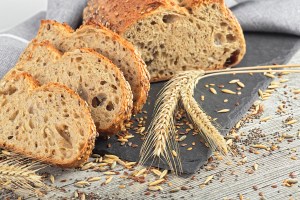
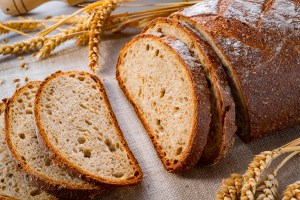
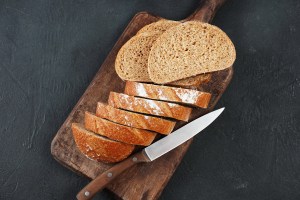
Jubilee bread is a large, enriched family-style loaf made with bakers flour and rye flour for flavour and structure. Butter and milk powder soften the crumb, while the rye adds depth without heaviness.This is a generous loaf — ideal for slicing, sharing, and everyday use.
Print Recipe
Equipment
- 1 Bench or clean work surface
- 1 Oven
Ingredients
- 560 g Bakers Flour
- 200 g Rye Flour
- 12 g Salt
- 30 g Butter
- 20 g Milk Powder
- 5 g Bread Improver
- 40 g Yeast
- 500 ml Water Approx.
Instructions
Mix the dry ingredients
- Place the bakers flour, rye flour, salt, milk powder, and bread improver into a large bowl.Mix well to evenly combine.
Add yeast and water
- Add the yeast, then pour in the lukewarm water.Mix until a rough dough forms.
Knead the dough
- Turn onto the bench and knead for 8–10 minutes until:SmoothElasticSoft but not sticky
Add the butter
- Work the softened butter into the dough during the final stage of kneading.Continue kneading until the butter is fully absorbed and the dough feels smooth.Adding butter late keeps the gluten strong.
First rise
- Place dough into a lightly oiled bowl.Cover and leave in a warm place for 60–75 minutes, until doubled in size.
Knock back
- Gently press out the air.This improves crumb and evens the structure.
Shape
- Shape into a large loaf, two medium loaves, or rolls.Place into greased tins or onto lined trays.
Second rise
- Cover and allow to rise for 35–45 minutes, until well risen.The dough should slowly spring back when lightly pressed.
Bake
- Preheat oven to 210°C (fan 190°C).Bake for:40–45 minutes (large loaf)30–35 minutes (medium loaves)15–20 minutes (rolls)Bread is ready when:Evenly golden brownFirm crustHollow sound when tapped underneath.
Cool
- Cool completely on a rack before slicing.Large loaves need full cooling for the crumb to set properly.
Ready to use
- Jubilee bread is ideal for:Family loavesSandwichesToastEveryday eating
Mark’s bench-side advice
- Dense crumb? Dough too dry — rye needs hydration.Poor rise? Dough too cool or under-proofed.Dry loaf? Oven too hot or baked too long.Jubilee bread is about volume, balance, and generosity — a loaf made to be shared.
KOOK’S SECRETS

Nutrition
Calories: 1072kcalCarbohydrates: 200gProtein: 52gFat: 13gSaturated Fat: 5gPolyunsaturated Fat: 2gMonounsaturated Fat: 4gTrans Fat: 0.1gCholesterol: 38mgSodium: 1161mgPotassium: 1585mgFiber: 35gSugar: 23gVitamin A: 204IUVitamin C: 2mgCalcium: 325mgIron: 7mg
Tried this recipe?Let us know how it was!