
Roman Bread
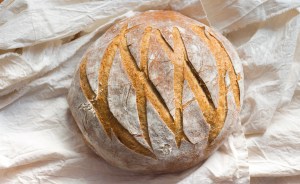
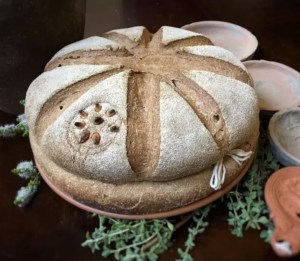
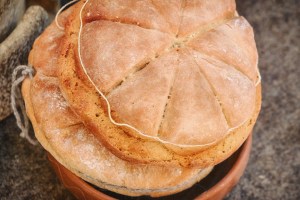
Roman bread is a soft, flavourful yeast loaf made with milk, oil, and malt.It sits closer to enriched breads than lean doughs, producing:A tender crumbGentle sweetness from maltGood colour and keeping qualityThis is an everyday loaf with a slightly richer feel, designed to slice well and stay soft.
Print Recipe
Equipment
- Click on the links for great Amazon kitchen equipment deals
- 1 Bench or clean work surface
- 1 Oven
Ingredients
- 600 g Bakers Flour
- 10 g Salt
- 40 ml Oil
- 5 g Bread Improver
- 5 g Malt (Liquid)
- 40 g Yeast
- 330 ml Milk Approx.
Instructions
Mix the dry ingredients
- Place the bakers flour, salt, and bread improver into a large bowl.Mix well to combine evenly.
Add liquids and yeast
- Salt, sugar, and yeast are to be kept apart.
Add liquids and yeast
- Add the yeast, then pour in the milk, oil, and liquid malt.Mix until a soft dough forms.
Knead the dough
- Turn the dough onto the bench and knead for 8–10 minutes until:SmoothElasticSoft but not stickyThe dough should feel richer than Italian bread, but lighter than butter bread.
First rise
- Place dough into a lightly oiled bowl.Cover and leave in a warm place for 45–60 minutes, until doubled in size.
Knock back
- Gently press out the air.This evens the crumb and improves texture.
Shape
- Shape into a loaf or rolls.Place into a greased tin or onto a lined tray.
Second rise
- Cover and allow to rise for 30–40 minutes, until well risen.The dough should slowly spring back when lightly pressed.
Bake
- Preheat oven to 210°C (fan 190°C).Bake for:30–35 minutes (loaf)15–20 minutes (rolls)Bread is ready when:Light golden brownSoft crustHollow sound when tapped underneath
Cool
- Cool on a rack before slicing.Milk-based breads finish setting as they cool.
Ready to use
- Roman bread is ideal for:SandwichesToastSoft rollsEveryday eating
Mark’s bench-side advice
- Pale crust? Brush lightly with milk before baking.Heavy crumb? Dough too cool during fermentation.Dry loaf? Oven too hot or baked too long.Roman bread is about softness, balance, and reliability.
KOOK’S SECRETS


Nutrition
Calories: 494kcalCarbohydrates: 16gProtein: 22gFat: 41gSaturated Fat: 3gPolyunsaturated Fat: 11gMonounsaturated Fat: 26gTrans Fat: 0.1gCholesterol: 15mgSodium: 723mgPotassium: 528mgFiber: 11gVitamin A: 14IUVitamin C: 0.5mgCalcium: 28mgIron: 1mg
Tried this recipe?Let us know how it was!