
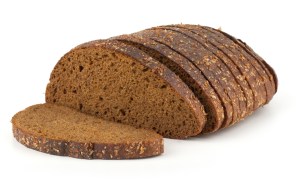
Rye Bread
Rye bread is a dense, flavourful yeast bread made with a high proportion of rye flour.Rye has very little gluten, so this bread:Feels stickier than white doughDoesn’t rise as muchHas a closer, heavier crumbThat’s not a fault — it’s exactly what rye bread is meant to be.
Print Recipe
Equipment
- Click the links for great Amazon kitchen utensil deals.
- 1 Bench or clean work surface
- 1 Oven
Ingredients
- 100 g Bakers Flour
- 360 g Rye Flour
- 10 g Salt
- 5 g Bread Improver
- 35 g Yeast
- 300 ml Water Approx
Instructions
Mix the dry ingredients
- Place the bakers flour, rye flour, salt, and bread improver into a large bowl.Mix well to combine evenly.
Add yeast and water
- Add the yeast, then pour in the lukewarm water.Mix until a sticky dough forms.This dough will not form a smooth ball like white bread — that’s normal.
Knead gently
- Turn the dough onto the bench.Knead briefly and gently for 5–6 minutes, just until:Ingredients are evenly mixedDough feels cohesiveDo not over-knead — rye does not benefit from long kneading.
First rise
- Place dough into a lightly oiled bowl.Cover and leave in a warm place for 45–60 minutes, until slightly risen.Rye dough will not double dramatically.
Knock back lightly
- Gently press out large air pockets.
Shape
- Shape into a compact loaf.Place into a greased loaf tin or onto a lined tray.Rye dough is easiest handled with lightly wet hands.
Second rise
- Cover and allow to rise for 25–35 minutes.The dough should look slightly puffy, not airy.
Bake
- Preheat oven to 220°C (fan 200°C).Bake for 35–40 minutes until:Dark brown crustFirm to the touchHollow sound when tapped underneath
Cool completely
- Cool on a rack before slicing.Rye bread needs full cooling to set — slicing early makes it gummy.
Ready to use
- Rye bread is perfect for:Open sandwichesSmoked fishCheesesSavoury toppings
Mark’s bench-side advice
- Sticky dough? Correct — don’t fight it.Flat loaf? Normal for rye-heavy breads.Gummy crumb? Bread sliced too early.Rye bread isn’t about height — it’s about flavour.
KOOK’S SECRETS


Nutrition
Calories: 1399kcalCarbohydrates: 286gProtein: 60gFat: 8gSaturated Fat: 1gPolyunsaturated Fat: 3gMonounsaturated Fat: 2gCholesterol: 15mgSodium: 728mgPotassium: 1827mgFiber: 52gSugar: 4gVitamin A: 14IUVitamin C: 0.4mgCalcium: 113mgIron: 10mg
Tried this recipe?Let us know how it was!